Skipping The Rules, Gogo Rummy
Skipping the rules for gogo rummy players in India, how it works, what it costs and how long it takes.
What Is Skipping The Rules?
Skipping the rules in Gogo Rummy refers to the common habit of jumping straight into a cash or points table on gogorummyi.com without reading the game rules first. Most new players tap "Play Now" the moment they register, bypassing the rules screen entirely. The result is almost always the same: avoidable losses caused by misunderstood sequences, wrong declarations, or missed penalty points, real rupees lost on errors that five minutes of reading would have prevented.
Across India's online rummy ecosystem, rule-skipping is the single most cited reason for first-session losses. Players who deposit ₹100 to ₹500 via PhonePe, Google Pay (GPay), or BHIM UPI to start playing on Gogo Rummy often burn through their first deposit within 30 minutes, not from bad luck, but from structural misunderstandings of how the game scores and penalises. In the context of gogo rummy, skipping the rules creates three predictable blind spots that cost money on every single hand:
- Declaration errors: Players declare without a pure sequence and receive an 80-point penalty, the maximum possible, regardless of how many valid melds they hold in the rest of their hand.
- Joker misuse: Wild and printed jokers cannot replace cards in a pure sequence. Players who skip the rules use them there, invalidate their entire hand, and receive the 80-point penalty automatically.
- Drop confusion: First drop costs 20 points; middle drop costs 40 points. Players who skip reading this rule often stay in visibly losing hands, miss the first-drop window, and pay double the penalty they should have paid by simply folding early.
Compare this to players who spend even one session on Gogo Rummy's free practice tables before depositing real money: their first-session retention rate is significantly higher because they have already internalised the pure sequence requirement before rupees are at stake. Understanding what skipping the rules actually costs, not in abstract terms, but in points-per-hand and rupees-per-session, is the foundational step to correcting the habit on Gogo Rummy.
It is also worth noting that Gogo Rummy is a skill-based game under Indian law, which means the rules are not arbitrary formalities. They define the exact conditions under which a hand is legally valid. Skipping them is not a minor oversight, it is entering a skill competition without learning the scoring system that determines whether you win or lose every single hand.
Skipping The Rules on Mobile
The Gogo Rummy mobile experience is built for speed, and that speed makes rule-skipping even easier than on desktop. The app's one-tap table-join flow means a new player can be seated at a ₹10 entry table within seconds of installing, with no mandatory rules checkpoint in between. Players who fund their wallet using PhonePe or GPay face an especially seamless deposit-to-play path: UPI transfer confirms in under 10 seconds, the wallet credits instantly, and the lobby is one tap away. There is no friction to slow you down and prompt a "maybe I should read the rules first" moment before your session begins.
Here is exactly where the rules screen appears on the Gogo Rummy app and how most players miss it on each step of the onboarding journey:
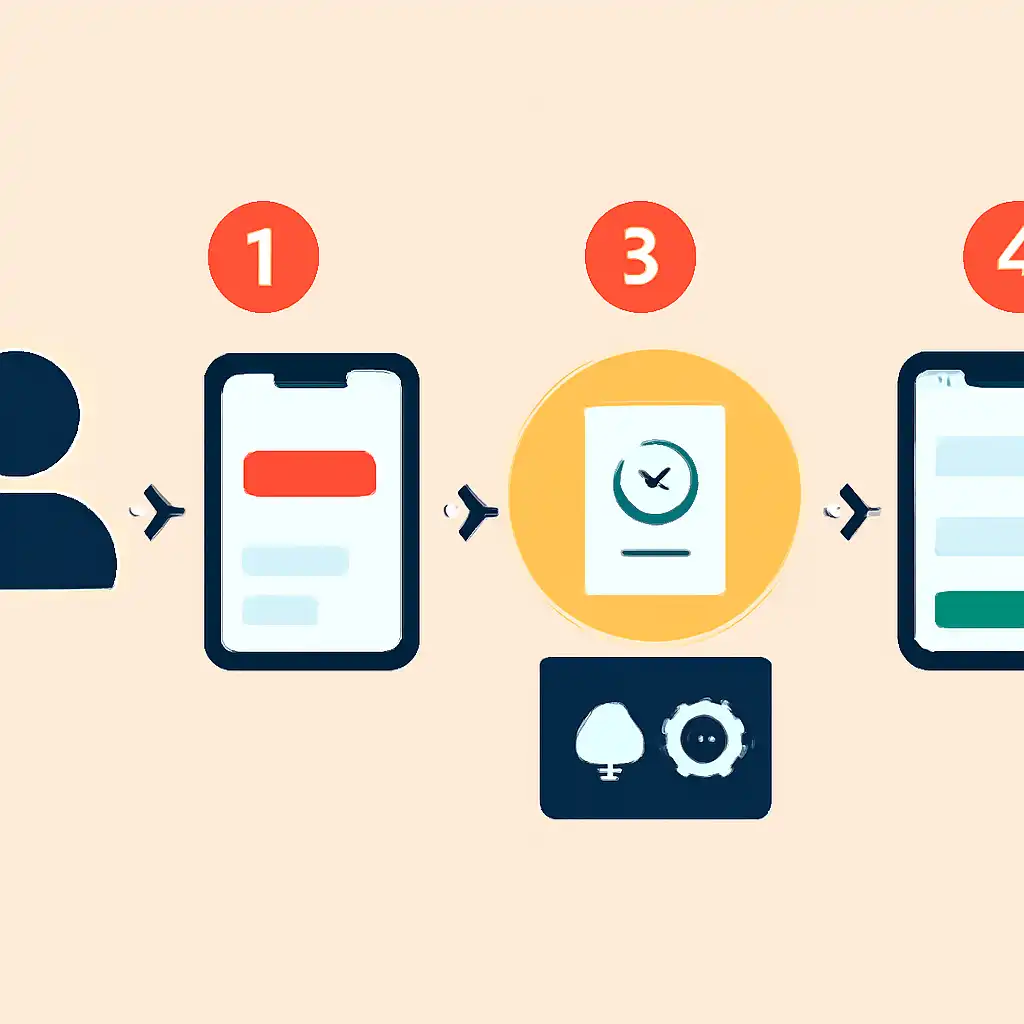
- Registration confirmation screen: A "How to Play" banner appears at the bottom immediately after account creation. Most users dismiss this banner within two seconds or scroll past it while heading toward the deposit screen to top up via PhonePe or GPay.
- Lobby tooltip overlay: On first launch of the lobby, a brief animated tooltip walks through table types, Points Rummy, Pool Rummy, Deals Rummy. Tapping anywhere outside the tooltip box closes it immediately, and it never reappears after that first session on any subsequent login.
- In-game help icon: A small ? icon sits in the top-right corner of every active table on the Gogo Rummy app. This is the fastest way to read the rules mid-game without forfeiting your seat, tap it, read the sequence and joker requirements, then return to your hand. Most players never discover this icon exists until they have already made a costly declaration error.
- Help section in Settings: Accessible via the hamburger menu → Help → Game Rules. Covers all three formats separately with illustrated examples. Loads in under two seconds even on 4G connections in Tier-2 and Tier-3 cities where average mobile data speeds run 15 to 25 Mbps on networks like Jio and Airtel.
Practical fix for mobile players: Before joining any table on the Gogo Rummy app, even a free practice table, open Settings → Help → Game Rules. Screenshot all three pages (pure sequence rules, joker rules, declaration conditions) and save them to a WhatsApp "Saved Messages" chat or a Google Photos album. Refer to them during your first ten games. This process takes under four minutes and directly eliminates all three blind spots that rule-skippers consistently encounter on this platform.
On smaller Android phones, screen sizes under 6 inches, which covers a significant share of budget devices popular across India including the Redmi 9, Samsung Galaxy A13, and the Realme C-series, the card sort button and the discard pile overlap slightly during fast auto-play sequences. Players who skipped the rules often confuse the discard action with the sort action and throw away a critical sequence card they needed. This is a UI-awareness gap on top of a rules gap. Spend the first two minutes of your first practice session simply tapping every visible button to understand exactly what each control does before you sit at a competitive table.
If you access Gogo Rummy via a mobile browser rather than the app, which is common among users on older phones running Android 7 or below that struggle with storage space for new app installs, the mobile web interface places the Help icon in a different position: bottom navigation bar, second icon from the right, rather than the top-right corner used in the native app. The rules content is identical across both surfaces, but this location change means players who switch between the app and the browser version often cannot find the help section when they need it most.

Skipping The Rules Tips and FAQs
If you have already skipped the rules on Gogo Rummy and are mid-game, mid-streak, or recovering from a first-session loss, the following targeted fixes and frequently asked questions address the exact situations rule-skippers encounter most often on the platform. Each point below is written for Indian players depositing real rupees via UPI-linked wallets, not theoretical advice, but session-by-session guidance.
Quick-Recovery Tips for Rule-Skippers
- Check your hand for a pure sequence before anything else. The moment your 13 cards are dealt, identify whether you already hold three or more consecutive cards of the same suit with no joker involved, examples: 456, or QKA. If you do not have one, every single discard decision until you form one should be aimed at building it. Holding onto high-value face cards in hopes of using them in sets while you lack a pure sequence is the most expensive per-hand mistake rule-skippers make on Gogo Rummy.
- Count your deadwood points in round one. In Points Rummy, the default format across most ₹10 to ₹50 entry tables on Gogo Rummy, Aces, Kings, Queens, and Jacks each carry 10 points. Number cards carry their face value. If you hold KQJwith no sequence forming around them, those three cards alone represent 30 points of immediate penalty liability. Discard the highest-value unconnected cards within your first two turns before an opponent closes the game while you are still holding that deadwood.
- Use Practice Mode to close the knowledge gap under zero financial pressure. Gogo Rummy's free practice tables carry zero rupee stakes. Play five hands there with the Help rules page open alongside the app in split-screen mode, available on any Android phone running Android 9 or above, including budget Jio Phone Next devices. Seeing the mechanics validate or reject your moves in real time closes the rules gap faster than reading alone because the app immediately flags declaration errors without costing you money.
- Set a stop-loss before every session via the Gogo Rummy responsible gaming settings. This is specific to Indian players depositing via PhonePe, GPay, or BHIM: set a per-session loss limit before you add funds. Typical rule-skippers lose 2 to 3 times their intended first-session budget because they keep re-depositing after early losses without understanding that the same rules gap is generating the same errors on every hand. A ₹200 session cap gives you enough hands to learn the mechanics without wiping out your entire wallet in a single sitting.
- I declared and received an 80-point penalty. What did I do wrong?
- You almost certainly declared without a valid pure sequence. Gogo Rummy requires at least one pure sequence, no joker, consecutive ranks, same suit, in every winning declaration. Without it, the declaration is invalid and the 80-point maximum penalty applies to you regardless of how strong the rest of your hand looks. This is the single most common first-session error on the platform, and it cannot be recovered from within that hand, the penalty is immediate, final, and non-negotiable under the game rules.
- Can I use a printed joker card inside a pure sequence?
- No. Neither the printed joker card nor the wild joker, the randomly selected rank announced at the start of each game, can substitute for a natural card in a pure sequence on Gogo Rummy. Jokers are valid only in impure sequences (replacing a missing middle or end card) and in sets of three or four cards of the same rank. If you place a joker inside what you intended as a pure sequence, that group is classified as an impure sequence, leaving you without the mandatory pure sequence and invalidating your entire declaration automatically.
- What happens if I accidentally tap the wrong card on a small mobile screen?
- Once you pick a card from either the open deck or the closed deck on Gogo Rummy, you must discard a card that same turn, you cannot return the picked card to the deck or undo the action. This surprises many mobile players whose taps register on the deck when they intended to tap a card in their existing hand. The practical prevention is simple: always tap your intended discard in your hand first to mentally confirm it, then tap the deck to draw. Planning the discard before picking eliminates most accidental draws on small touchscreens.
- Is first drop always the right call if I have a weak opening hand?
- Not automatically. First drop on Gogo Rummy costs 20 points. If your hand contains two cards of a near-complete pure sequence, for example, 7and 9needing only the 8, one or two draws may complete it, making it worth staying. First drop becomes clearly correct when your hand has no two connected same-suit cards and multiple high-value unconnected face cards that represent immediate penalty exposure. The rule most skippers miss: once you pick your very first card from the deck, the first-drop option closes permanently. From that point onward, dropping costs 40 points (middle drop). Many rule-skippers miss this single-turn timing window and pay double the penalty they should have paid.
- Where exactly are the complete rules on the Gogo Rummy website?
- Navigate to gogorummyi.com → Help → How to Play Rummy. The page covers Points Rummy, Pool Rummy (101-point and 201-point variants), and Deals Rummy separately with illustrated card examples. Read only the section for the specific format you are actively playing, the scoring caps, elimination conditions, and drop rules differ meaningfully between formats, and mixing rules from two different formats creates its own separate category of costly errors entirely distinct from the standard rule-skipping mistakes described above.